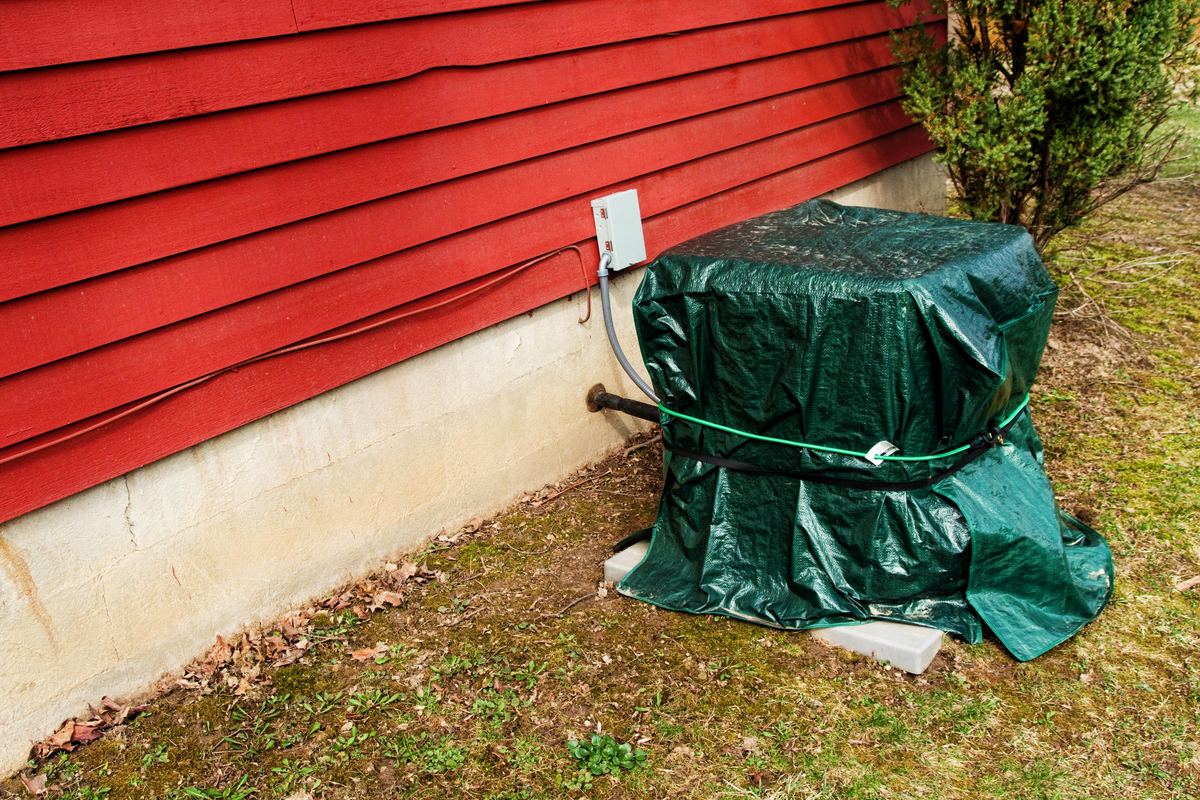
If you have lived in Greater New Orleans for more than a few years, you already know the routine. A named storm forms in the Gulf. The track shifts. The power goes out. And then you sit in the heat, sometimes for hours, sometimes for days, waiting for the grid to come back while everything in your freezer slowly thaws.
Hurricane season officially runs from June through November, but in recent years tropical storms have formed as early as May. The window for dangerous weather in southeast Louisiana is long, and the consequences of being unprepared are real. A whole-home standby generator does not just keep the lights on. It keeps your AC running, your food safe, your home secure, and your family comfortable while the rest of the block sits in the dark.
Keefe’s has been installing and servicing whole-home generators across Greater New Orleans since 1979. Here is everything you need to know about making the right choice before the next storm season begins.
Why You Should Prepare Before Hurricane Season, Not After
Generator demand in Louisiana does not rise gradually as storm season approaches. It spikes sharply the moment a named storm forms or makes landfall. After a significant hurricane, wait times for generator installation can stretch to weeks or even months because every installer in the region is suddenly fully booked.
The homeowners who are most comfortable during and after a storm are almost always the ones who had their generator installed and tested well before the season started, not the ones scrambling to find availability in August. Permits have to be pulled, inspections have to be scheduled, and the installation itself takes time to do correctly. None of that happens overnight.
If you are reading this before hurricane season begins, you are in the right window. Getting on the calendar now is the single most effective thing you can do to be ready when the next storm forms.
Whole-Home Standby Generator vs Portable Generator: What’s the Real Difference?
There are two types of home generators, and they are not really comparable. A portable generator is the kind you wheel out of the garage, fill with gasoline, and run extension cords from. It can power a few items at a time, but it cannot run your central air conditioning, your refrigerator, your lights, and your security system simultaneously. You also have to start it manually, which means going outside in whatever weather is happening, and you have to keep refueling it, which becomes a serious problem if gas stations in your area are closed or lines are hours long.
A whole-home standby generator is a permanently installed system that sits outside on a concrete pad and connects directly to your home’s natural gas or propane line and electrical panel through an automatic transfer switch. When utility power goes out, the generator detects the outage and starts automatically within seconds, even if no one is home. Your AC keeps running. Your refrigerator stays cold. Your lights stay on. You do not have to do anything.
| Portable Generator | Whole-Home Standby Generator |
|---|---|
| Starts manually | Starts automatically within seconds |
| Requires gasoline and refueling | Runs on natural gas or propane |
| Powers a few items only | Powers your entire home including AC |
| Must be operated outdoors | Permanently installed outside |
| Not useful if you are away from home | Works whether you are home or not |
Who Needs a Whole-Home Standby Generator in New Orleans?
The honest answer is that most homeowners in southeast Louisiana benefit from a standby generator. But these situations make it especially important:
- Families with young children, elderly family members, or pets. Heat-related illness is a genuine risk during extended summer outages in Louisiana. Keeping the AC running is not a comfort issue, it is a health issue.
- Anyone who depends on medical equipment. CPAPs, oxygen concentrators, dialysis machines, and powered wheelchairs all require reliable electricity. A standby generator is a safety necessity in these households.
- Remote workers and home-based businesses. If your income depends on staying connected, a standby generator pays for itself the first time it keeps you working through a multi-day outage.
- Homeowners who plan to ride out storms. If evacuation is not the plan for every storm, a generator is what makes staying home actually safe and comfortable.
- Anyone who has lost a full freezer before. One major outage worth of spoiled food is often all it takes to make the math work.
What to Expect From a Whole-Home Generator Installation With Keefe’s
A standby generator installation is more involved than a standard service call, and that is a good thing. Done correctly, the system should last 15 to 20 years and start reliably every single time the power goes out. Here is exactly what the process looks like:
- Free In-Home Assessment. A Keefe’s generator advisor comes out, walks your home, looks at your electrical panel, reviews your AC load, and listens to what you need backed up during an outage. No pressure, no fee.
- Right-Sizing the System. Because Keefe’s has HVAC and electrical teams under one roof, we calculate your full home load together, including your AC, and recommend a generator size that will actually start and run your air conditioning during a storm. We do not guess.
- Honest Written Options. You receive good, better, and best options in writing with the differences explained clearly. You choose what fits your home and your situation.
- Permit Coordination. Keefe’s handles permit coordination for your installation so you are not chasing paperwork, phone calls, or inspection scheduling on your own.
- Installation and Electrical Hookup. Our licensed electricians install the automatic transfer switch and connect it to your panel. We coordinate the gas line connection with a trusted local partner so the project stays on one timeline.
- Testing and Walkthrough. We run the system under full load, walk you through the controls and monitoring app, register your warranty, and answer every question before we leave.
Why Right-Sizing Your Generator Is the Most Important Decision You Will Make
The most common mistake homeowners make when buying a generator is choosing one that is too small. A generator that cannot handle your home’s actual load will struggle to start your AC, trip under pressure, or simply fail during the exact conditions you bought it for.
Because Keefe’s has both HVAC and electrical expertise in-house, we look at your AC system tonnage and your electrical panel capacity together before recommending a size. Larger homes and homes with two AC units almost always need a liquid-cooled unit, and we will tell you that directly rather than let you buy something that will not do the job.
We install Generac and Briggs and Stratton standby generators, two of the most trusted brands in the country, and we recommend the one that fits your home’s actual needs rather than just what is most popular.
Do Not Forget: Your Generator Needs Yearly Maintenance
A generator that sits unused for months has to start on demand and carry a heavy load the moment the grid goes down. Yearly maintenance is what makes sure it actually does. The most common generator failures during storms happen to units that were never serviced after installation.
Keefe’s generator maintenance service covers oil and filter changes, battery testing, transfer switch inspection, load testing, and firmware updates on connected models. Members of Keefe’s Club receive generator maintenance as part of their membership, along with priority scheduling and member-only discounts.
If your generator was installed by another company, Keefe’s is happy to take over yearly service and emergency repairs. We service Generac, Briggs and Stratton, and other major standby generator brands across all nine parishes we cover.
Hurricane Season Is Coming. The Schedule Fills Fast.
Generator installation demand triples after every named storm in Louisiana. The homeowners who are ready are the ones who got on the calendar before the season started. Keefe’s installs whole-home standby generators across Orleans, Jefferson, St. Tammany, Plaquemines, St. Bernard, St. Charles, St. John the Baptist, St. James, and Tangipahoa Parishes.
Every install comes with honest written options, permit coordination, and a full system test before we leave.
Learn more about Keefe’s generator services:
- Whole-Home Generator Installation in New Orleans
- Generator Repair in New Orleans
- Generator Maintenance and Service
- All Generator Services from Keefe’s
- Electrical Services in New Orleans
Frequently Asked Questions About Whole-Home Generators in New Orleans
When is the best time to install a whole-home generator in New Orleans?
The best time is before hurricane season starts, ideally in the late winter or early spring. Generator installation demand spikes sharply after every named storm, which means wait times can stretch to weeks or months. Getting on the schedule early gives you the best availability and the most time for permits, inspection, and a proper install before storm season begins.
Can a whole-home generator run my AC during a hurricane?
Yes, if it is sized correctly for your home’s load. Keefe’s evaluates your AC tonnage and electrical panel together before recommending a generator size to make sure the unit can actually start and run your air conditioning during an outage, not just your refrigerator and a few lights.
What fuel does a whole-home standby generator use in Louisiana?
Most whole-home standby generators in the New Orleans area run on natural gas, which means the fuel supply does not run out and you never have to refuel it during an outage. If your home is not on a natural gas line, propane is a reliable alternative using a buried or above-ground tank.
How long does a whole-home generator installation take?
The on-site installation typically takes a few days. With permit coordination and scheduling a final inspection, the full process from first call to a fully running, inspected generator is usually two to four weeks during normal times. That timeline gets longer after a major storm, which is why installing before hurricane season matters.
Does Keefe’s handle the permits for generator installation?
Yes. Keefe’s handles permit coordination for your generator installation so you do not have to manage any of the paperwork, calls to the parish office, or inspection scheduling on your own.
How often does a standby generator need maintenance?
Once a year, usually before hurricane season. Yearly maintenance includes oil and filter changes, battery testing, transfer switch inspection, and a full load test. Generators that skip annual maintenance are the ones most likely to fail during an actual outage.
Does Keefe’s service generators installed by other companies?
Yes. If your generator was installed by another company, Keefe’s can take over yearly service, warranty work, and emergency repairs. We service Generac, Briggs and Stratton, and other major standby generator brands across Greater New Orleans.