The first chilly day in New Orleans has a way of sneaking up on us. One minute it’s warm and humid, and the next, you’re reaching for the thermostat to take the edge off a cool morning. But instead of cozy warmth, you’re greeted with a strange burning smell coming from your vents.
If this has happened to you, you’re not alone.
While some heating odors are harmless and temporary, others can signal serious HVAC issues that shouldn’t be ignored. In the Greater New Orleans area, where humidity, dust buildup, seasonal storms, and even pests can affect HVAC systems, it’s especially important to distinguish a normal startup smell from a potential warning sign.
Dust Burning Off After Months of Inactivity
In Southeast Louisiana, heaters often sit unused for long stretches of the year. Our winters are relatively mild compared to other parts of the country, so your heating system may go months without running. During that time, dust naturally settles on:
- Heating elements
- Burners
- Heat exchangers
- Internal components
When you first turn the system on, that dust burns off, producing a faint burning or musty smell. This is one of the most common and harmless reasons for a burning odor.
How Long Should It Last?
Typically, this smell dissipates within 30 minutes to an hour after operation. You might notice it slightly stronger at first, but it should gradually fade as the dust burns away.
When to Be Concerned
If the smell lingers for more than a few hours, becomes stronger, or is accompanied by visible smoke, it’s time to turn the system off and schedule an inspection.
Clogged Air Filters
Your air filter plays a critical role in maintaining airflow throughout your heating system. In a climate where humidity, pollen, and storm debris are common, filters can become clogged faster than you might expect. When airflow is restricted:
- The system has to work harder
- Internal components can overheat
- A burning smell may develop
A clogged filter not only causes unpleasant odors but can also reduce efficiency and strain your HVAC system.
Signs Your Filter May Be the Problem
- Reduced airflow from vents
- Higher energy bills
- Rooms heating unevenly
- Dust accumulating more quickly in your home
Replacing your air filter is one of the simplest and most effective ways to prevent overheating and maintain clean indoor air.
Electrical Issues or Overheating Components
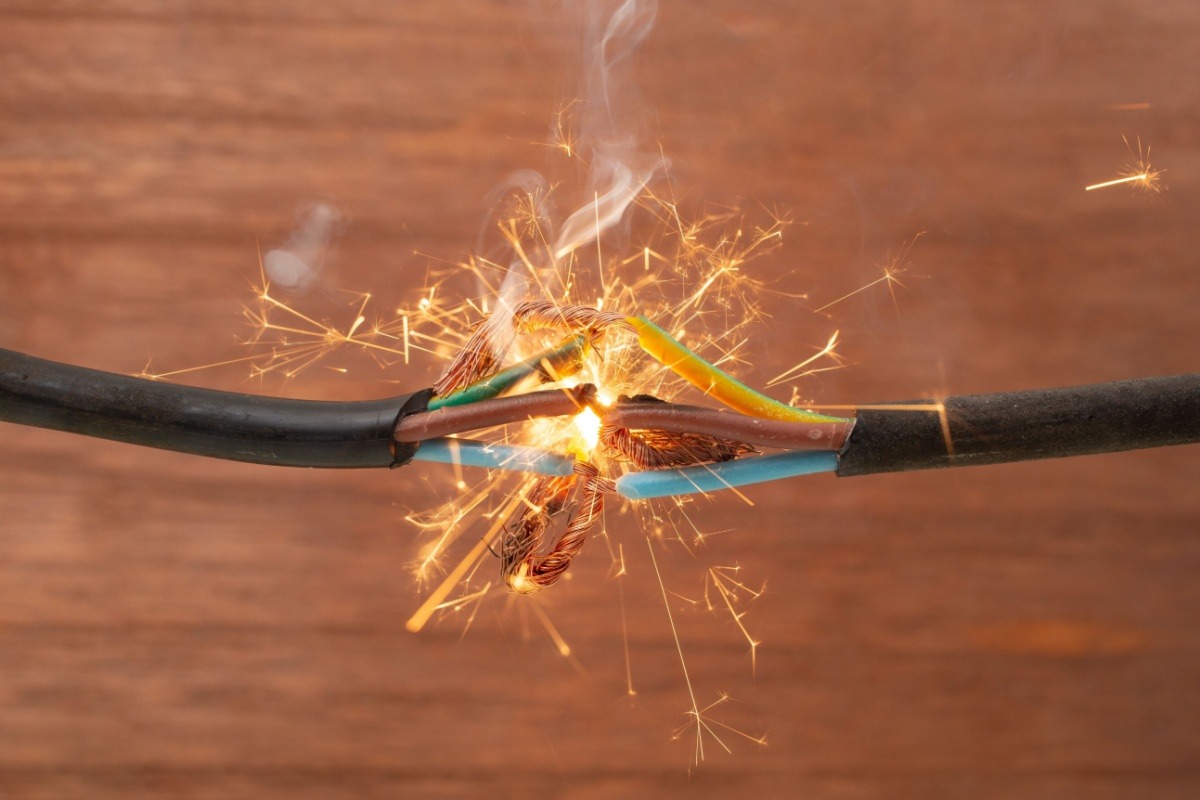
If the burning smell is sharp, metallic, or resembles burning plastic, it may indicate an electrical issue. This type of odor should never be ignored. Possible causes include:
- Failing blower motors
- Overheating wiring
- Loose electrical connections
- Short circuits
- Melting insulation
Electrical problems can escalate quickly and pose serious fire risks. In humid climates, moisture intrusion can also contribute to electrical corrosion and component failure. If you notice a persistent burning smell, tripped breakers, flickering lights when the heater runs, or unusual noises, turn off your system immediately and contact a licensed HVAC professional.
Foreign Objects in the System
New Orleans homeowners are no strangers to storm debris, high humidity, and the occasional unwelcome critter. Unfortunately, ductwork and heating units can sometimes become home to debris or even pests during the off-season. Common foreign object issues include:
- Leaves or debris entering outdoor units
- Rodents nesting in ductwork
- Insulation or plastic materials near heating components
When the heater turns on, these materials may heat up or burn, producing a distinct odor. In some cases, you may notice:
- Rattling or scratching sounds
- Uneven heating
- Strong, unpleasant smells that don’t fade
Professional inspection is essential to safely remove any obstructions and prevent further damage.
Furnace or Heat Pump Mechanical Problems
If your heating system has underlying mechanical issues, a burning smell could be an early warning sign. For furnaces, potential causes include:
- Cracked heat exchangers
- Burner problems
- Ignition system malfunctions
For heat pumps, issues may involve:
- Overworked compressors
- Failing motors
- Refrigerant problems
Mechanical failures often present alongside other symptoms, such as:
- Short cycling
- Reduced heating performance
- Strange noises
- Increased energy usage
Because heating systems are complex, diagnosing mechanical problems requires professional expertise.
When Should You Call an HVAC Professional?
Not every burning smell is an emergency, but some absolutely are.
It’s Likely Normal If:
- The smell appears at the start of the heating season
- It fades within an hour
- There is no smoke, noise, or performance issue
Call for Service Immediately If:
- The odor persists or worsens
- You see smoke
- Breakers trip repeatedly
- The system shuts down unexpectedly
- You notice a strong electrical or plastic smell
- Performance declines significantly
Your safety is always the top priority. When in doubt, turning off the system and scheduling a professional inspection is the smartest choice.
Trust Keefe’s for Heating Service in the Greater New Orleans Area
When it comes to heating performance and safety, you need a team that understands both your system and your local climate. Keefe’s Air Conditioning, Heating, Electrical, Generator & Plumbing is proud to be the Greater New Orleans area’s trusted provider for heating, cooling, electrical, generator, and plumbing services.
Our licensed technicians bring extensive experience working with HVAC systems throughout the GNO area. We understand how humidity, storms, and seasonal usage patterns affect equipment—and we tailor our services accordingly.If you’re unsure about what you’re smelling, or if the odor doesn’t go away, don’t take chances. Contact Keefe’s Air Conditioning, Heating, Electrical, Generator & Plumbing for a professional heating system inspection or heating repair appointment.