Ever notice your lights doing a little dance every time your fridge kicks on or the AC roars to life? It’s not just in your head, and it’s not something you should ignore. Flickering lights can be a quirky annoyance or a red flag for deeper electrical issues in your home. The key is knowing which is which. Let’s break it down, so you can get answers and take action before something sparks out of control.
How do you tell if it’s time to call a licensed electrician, or if a simple light bulb swap will do the trick? Find out below.
Loose or Improperly Seated Bulbs
Sometimes, the culprit is as simple as a bulb that’s just not screwed in all the way. A light switch might be working perfectly, but if the light bulb isn’t tightly secured in the socket, even the smallest interruption to the electric current can cause it to flicker.
First, turn off the power and check the bulb. If it feels wobbly or isn’t flush against the socket, twist it in tighter. If you’re using LED bulbs and they still flicker after a snug fit, there might be another issue brewing behind the scenes.
Incompatible Bulbs & Dimmers
Pairing the wrong bulb with the wrong dimmer switch is like trying to dance with two left feet — it’s not going to end well. LED bulbs, in particular, can act up when used with old-fashioned or incompatible dimmer switches, leading to flickering.
If your lights only flicker when you try to dim them, it’s time to upgrade to a dimmer that’s compatible with LED bulbs. It’s a small swap that can make a huge difference and prevent you from thinking your house is possessed every time you try to set the mood.
Overloaded Circuits & Shared Circuits
Ever notice the lights flicker when your microwave and dishwasher run at the same time? That’s likely a shared or overloaded circuit. When too many appliances compete for the same power supply, your home’s voltage drops temporarily, causing the lights to dim or flicker.
This is especially common in older homes not designed for today’s high-powered gadgets. A licensed Keefe’s electrician can help you upgrade your electrical wiring by adding new circuits to better support modern home appliance use.
Loose Wiring or Connections
Now we’re venturing into the serious zone. If the wires behind your switches, outlets, or fixtures are loose, it’s a potential fire safety hazard. Loose connections can interrupt the electric current, which not only causes flickering but can also lead to dangerous arcing.
If tightening bulbs and replacing dimmers doesn’t do the trick, don’t go poking around in your panel. This is a job for a licensed expert who knows how to safely inspect and repair electrical connections without risking injury or worse.
Faulty Switches or Outlets
Sometimes the light switch or outlet itself is the problem. Corrosion, age, or internal wear can lead to unreliable contact, resulting in flickering lights or buzzing when you flip the switch.
If you feel heat, hear crackling, or see discoloration around a switch or outlet, it’s time to call a Keefe’s electrician pronto. These warning signs mean the switch isn’t just faulty but also dangerous. And if one is bad, chances are others in the home are due for a check-up too.
Issues in the Electrical Panel or Main Service
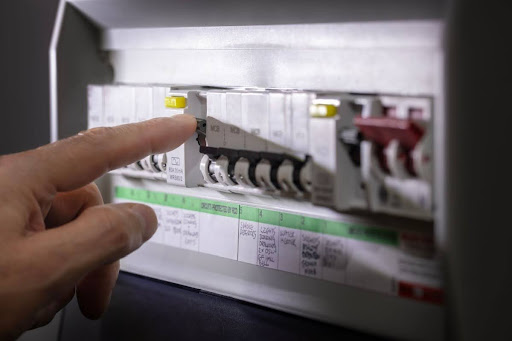
Your electrical panel is the control center of your home’s voltage flow. If there’s a loose neutral wire or a damaged circuit breaker, you might see lights flicker all over the house, especially when larger appliances kick in.
This is no DIY zone. Problems in the main panel can lead to imbalanced voltage, overloaded wiring, or even total power loss. If you suspect your panel is the issue, don’t wait. Schedule service with a qualified Keefe’s electrician who can safely diagnose and repair the root cause.
Utility & Grid Voltage Fluctuations
Sometimes the flicker starts outside your home. Utility companies occasionally have fluctuations in the electric current they supply, especially during storms, high usage hours, or grid maintenance. These dips and surges in voltage can ripple through to your home.
While momentary fluctuations aren’t typically dangerous, if they’re frequent or extreme, your electronics could suffer damage over time. A licensed Keefe’s electrician can install a whole-home surge protector to guard against sudden spikes and help stabilize your power supply.
Which Appliances Most Often Trigger the Flicker
Heavy-duty home appliances demand a lot of juice. When they start up, they create a brief but significant dip in voltage, which can lead to flickering lights nearby. Here’s a breakdown of the most common culprits and why they cause trouble:
- Air Conditioners, Furnaces & Heat Pumps: These power-hungry machines have large motors that draw high current at startup, often causing noticeable flickers if they’re on a shared circuit.
- Refrigerators: Every time the compressor kicks on, it creates a quick spike in the power supply. It’s a small load, but if the fridge shares a circuit with your kitchen lights, you’ll definitely notice.
- Microwaves: Microwaves require a surge of voltage when they start, which can cause the lights in the same room to dim, especially in older kitchens.
- Vacuum Cleaners: Plugging a vacuum into the same circuit as your lamps? Expect flickering lights. These appliances draw quick, heavy loads when switched on.
Do Your Lights Flicker Only When a Specific Appliance Turns On?
This is a major clue! If your lights only flicker when, say, the dishwasher starts or the furnace kicks on, you’re likely dealing with a localized voltage drop. This happens when a home appliance is placed on the same circuit as your lights, and it draws more electric current than the circuit can comfortably support.
The good news? This is often a simple fix. A Keefe’s electrician can rewire or redistribute appliances across different circuits to reduce strain. It may even be a sign that your home needs a dedicated circuit breaker for that appliance, which is not only safer, but more efficient too.
Does the Flickering Last a Fraction of a Second or Several Seconds?
A quick flicker is often harmless and might just be the result of a temporary voltage dip. This is common when large appliances cycle on. But if the flickering lasts several seconds or happens repeatedly, it’s a sign of a more serious electrical issue.
Long-lasting flickers can indicate loose wires, poor connections, or problems in your main service panel. You might even be seeing the early signs of a failing circuit breaker or damaged electrical wiring. When in doubt, bring in an expert to perform a full inspection and get ahead of potential damage.
Is There a Buzzing, Crackling, or Burning Smell?
Lights flickering with no sound? That’s one thing. Lights flickering alongside a buzzing, crackling, or burning odor? That’s an emergency. These are classic signs of electrical arcing, which is when current jumps between loose wires, and it can lead to a fire faster than you think.
If you detect any of these symptoms, shut off power to the affected area and call a licensed Keefe’s electrician immediately. Don’t wait. This type of issue is a fire safety concern, and it needs professional troubleshooting before anything worse happens.
DIY Checks & Simple Troubleshooting Steps
Before picking up the phone, there are a few things you can check safely:
- Check All Bulbs: Make sure your bulbs are tightly secured and of the correct wattage and type for your fixture. Swapping out cheap LEDs for higher-quality ones can often reduce flicker.
- Test Different Outlets: Plug lamps into different outlets. If flickering only happens in one area, the issue may be isolated to that circuit or switch.
- Try Turning Off Appliances: If lights stop flickering when you unplug a specific home appliance, you’ve found your trigger. A dedicated circuit breaker might be in order.
- Inspect for Heat: Gently feel around the light switch, outlet, or panel. If anything is hot to the touch, stop using it and schedule a professional service visit right away.
- Listen for Noises: That soft buzz? It could be harmless… or not. Consistent buzzing or crackling deserves a professional look.
DIY checks are a great first step, but electrical issues can escalate quickly. If in doubt, don’t guess. Get help!
Flickering Lights? Call Keefe’s Electricians Today!
If flickering lights are driving you bonkers or giving you a bad feeling, it’s time to get to the bottom of it. The licensed electricians at Keefe’s are ready to roll out with the tools and enthusiasm to make your home’s electrical wiring, light switches, and circuit breakers run like new.
Don’t let flickering lights stress you out. Let’s fix it together! Keefe’s offers fast, friendly, and affordable electrical service in the Greater New Orleans area.