Modern homes in the Greater New Orleans area depend on electricity for nearly everything. From powering your air conditioning system during hot Louisiana summers to running kitchen appliances, charging devices, supporting home offices, and operating smart home technology, your electrical system works hard every single day.
So when the lights suddenly go out in one room or a group of outlets stops working, it can feel frustrating — and sometimes alarming. In many cases, the cause is a tripped circuit breaker. While it may seem like an inconvenience, a tripped breaker is actually your electrical system’s way of protecting your home. Breakers are designed to automatically shut off power when they detect overloads or potential hazards, reducing the risk of overheating and electrical fires.
Resetting a breaker can sometimes be a simple fix. However, it’s important to do it safely — and to recognize when a tripped breaker may signal a larger electrical issue. At Keefe’s Air Conditioning, Heating, Electrical, Generator & Plumbing, we provide safe, code-compliant electrical services throughout the Greater New Orleans area. Let’s walk through what causes breakers to trip, how to safely reset one, and when it’s time to call in a professional.
What Causes a Circuit Breaker to Trip?
Understanding why your breaker tripped is just as important as resetting it. Here are some of the most common causes:
1. Overloaded Circuits
An overloaded circuit occurs when too many devices draw power from the same circuit at once. For example, running a microwave, a coffee maker, and a toaster oven simultaneously on the same kitchen circuit can exceed the circuit’s capacity. When this happens, the breaker trips to prevent overheating.
2. Short Circuits
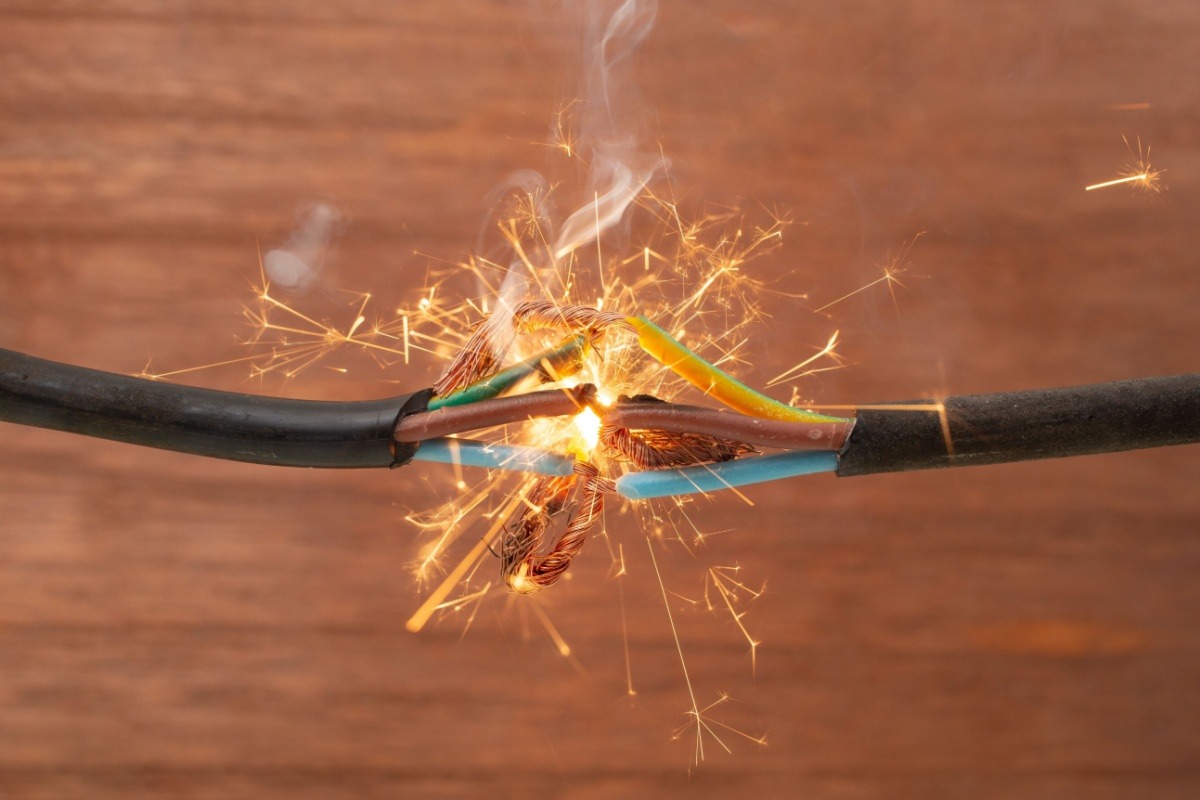
A short circuit happens when a hot wire touches a neutral wire. This creates a sudden surge of electrical current that can generate heat and potentially cause damage. Short circuits are more serious than simple overloads and often require professional repair.
3. Ground Faults
Ground faults occur when a hot wire comes into contact with a ground wire or a grounded surface. These are especially common in areas with moisture, such as bathrooms, kitchens, garages, or outdoor outlets.
4. Storm-Related Power Surges
In New Orleans, storms and hurricanes are a part of life. Lightning strikes and power surges during severe weather can trip breakers as a protective measure.
5. Faulty Appliances
Sometimes the issue isn’t the wiring but an appliance. A malfunctioning device can draw excessive power or cause a short circuit, causing the breaker to trip repeatedly.
Step-by-Step Guide: How to Safely Reset a Tripped Breaker
If you suspect a simple overload, follow these steps carefully to reset your breaker safely:
Step 1: Turn Off or Unplug Devices
Before heading to the panel, switch off or unplug devices connected to the affected circuit. This reduces the chance of another immediate overload when you restore power.
Step 2: Locate Your Electrical Panel
Your electrical panel is typically located in a garage, utility room, hallway, or exterior wall. Make sure you have proper lighting before opening the panel.
Step 3: Identify the Tripped Breaker
A tripped breaker will usually sit in the middle position between “on” and “off” or may appear slightly out of alignment with the others.
Step 4: Fully Switch the Breaker to “Off”
This step is important. Push the breaker firmly to the “off” position first. You may feel a slight click.
Step 5: Turn the Breaker Back to “On”
After fully switching it off, flip it back to the “on” position. If it stays in place, power should be restored to the affected area.
Step 6: Monitor the Circuit
Plug devices back in one at a time. If the breaker trips again immediately, stop and call a professional electrician.
Safety Precautions to Keep in Mind
Working around electrical systems requires caution. Keep these important safety tips in mind:
- Avoid contact with exposed wiring. Never remove the panel cover or touch internal components.
- Never force a breaker. If it won’t reset easily, there may be an underlying issue.
- Keep your hands dry. Water increases the risk of electrical shock.
- Use proper lighting. Make sure you can clearly see the panel and breaker labels.
- Stand on a dry surface. Avoid resetting breakers while standing on wet floors.
If at any point you feel unsure, it’s always safer to contact a licensed electrician.
When to Call a Professional Electrician
While resetting a breaker is sometimes straightforward, certain warning signs indicate a more serious problem that requires professional attention.
Breakers That Repeatedly Trip
If a breaker continues to trip even after redistributing electrical loads, there may be a wiring issue, a damaged breaker, or an overloaded panel.
Burning Smells
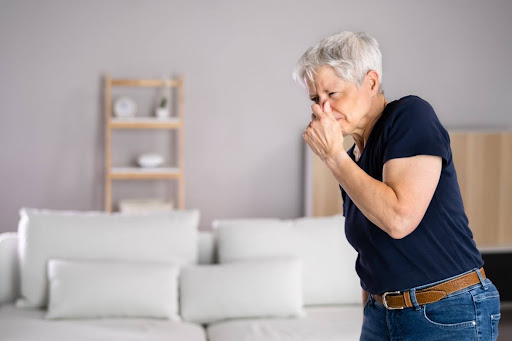
A burning odor near your panel or outlets is a serious red flag. Turn off the power to the affected area and call an electrician immediately.
Buzzing Sounds
Electrical panels should operate quietly. Buzzing or humming noises could indicate loose connections or faulty components.
Warm or Hot Panels
Your electrical panel should never feel hot to the touch. Excess heat may signal dangerous wiring conditions.
Visible Damage
Signs of rust, corrosion, frayed wires, or melted insulation require immediate professional evaluation.
Breaker Won’t Reset
If a breaker won’t stay in the “on” position, it may need replacement or further diagnosis.
In these situations, attempting DIY repairs can increase the risk of electrical shock or fire. It’s best to rely on experienced professionals.
Protect Your Home with Professional Electrical Service
While resetting a breaker can sometimes resolve minor overloads, recurring electrical problems should never be ignored. Circuit breakers are safety devices; if they trip frequently, they’re alerting you to a deeper issue.
Professional diagnosis helps prevent electrical fires, protects valuable appliances, and ensures your home’s wiring meets current safety standards. At Keefe’s Air Conditioning, Heating, Electrical, Generator & Plumbing, our licensed electricians provide comprehensive electrical inspections, breaker replacements, panel upgrades, and reliable electrical repairs throughout the Greater New Orleans area.
If you’re unsure about a tripped breaker or concerned about your electrical system’s performance, don’t take chances. Contact Keefe’s Air Conditioning, Heating, Electrical, Generator & Plumbing today for safe, dependable electrical service you can trust. Your home’s safety and your peace of mind are always worth it.